Taiwan Tea Culture: Customs, Etiquette and Craft
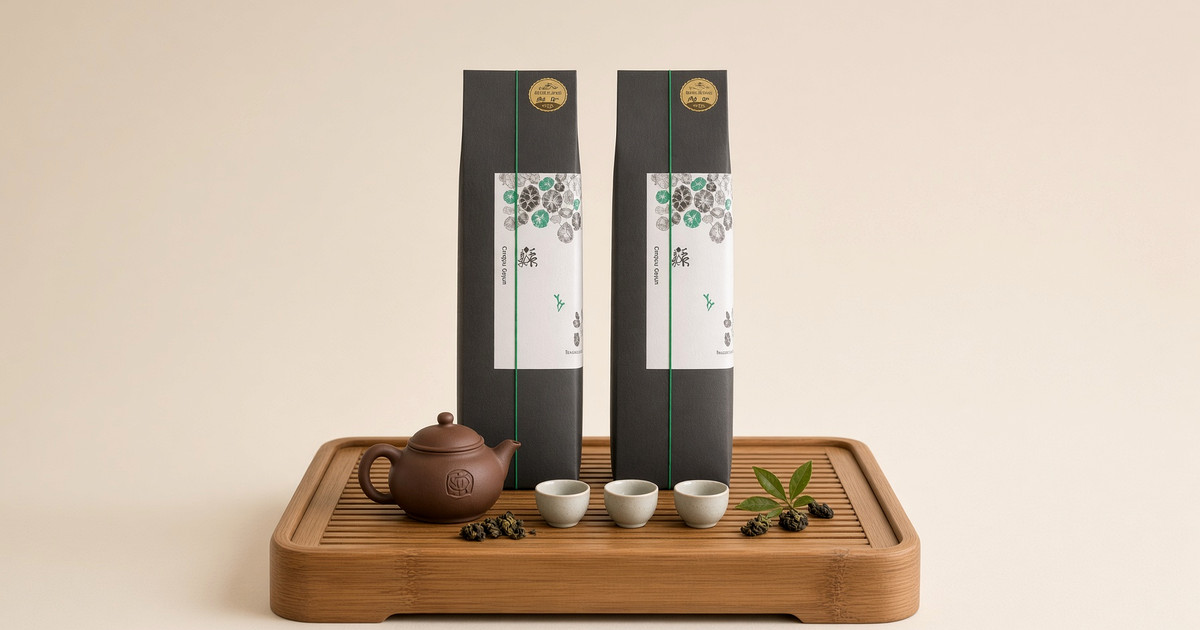
- Taiwan tea culture centres on oolong brewed gongfu-style: small pots, small cups and many short infusions shared around one table.
- Etiquette is simple and warm—the host pours, guests' cups are refilled before they empty, and a light tap on the table says thank you.
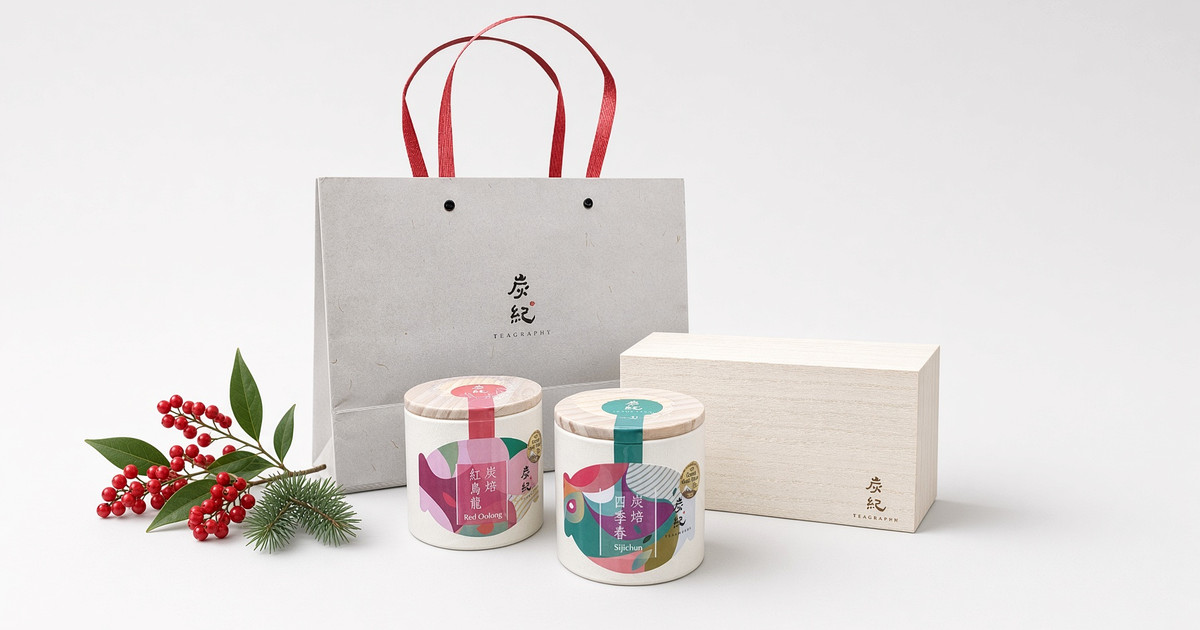
- Tea is a common gift in Taiwan, offered to show respect when visiting, celebrating or thanking someone.
- Craft is part of the culture: many tea families pass roasting skills down through generations, as TEAGRAPHY's family has for three.
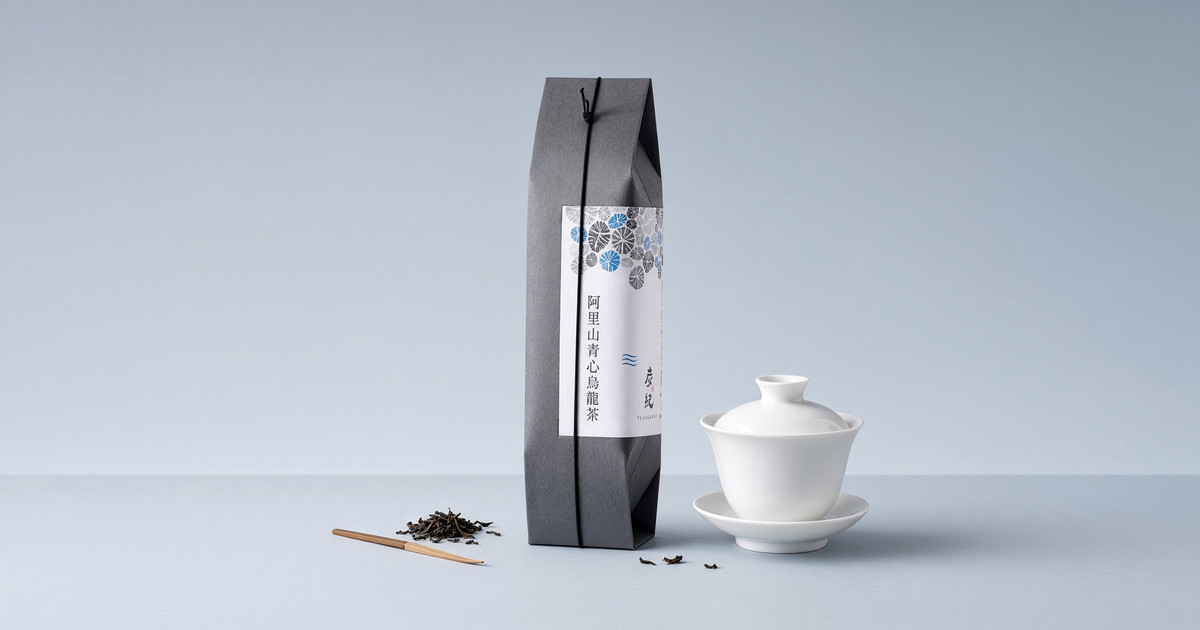
- You can recreate the ritual at home with a small pot, freshly boiled water and a charcoal-roasted oolong such as Songboling Changqing.
Taiwan tea culture centres on oolong, brewed gongfu-style in small pots and small cups and shared over many short infusions. It is less about ceremony and more about hospitality: a host pouring for friends, a gift of tea to show respect and families who pass their craft down through generations.
If you have tasted Taiwanese oolong but never seen how it is enjoyed at home, the customs can seem mysterious. This guide explains the tea table, the unwritten etiquette and how to bring the ritual into your own kitchen.
Why does Taiwan tea culture feel hard to join?
Outside Taiwan, tea usually means one large mug and one steep. Watching a Taiwanese tea table, with its tiny cups and constant pouring, can look like a complicated ceremony. In reality it is closer to sharing a bottle of wine: relaxed, sociable and forgiving.
What is at the heart of Taiwan tea culture?
Oolong first
Taiwan is famous above all for oolong: partly oxidised, often ball-rolled and frequently roasted. Different cultivars, elevations and roasts give a huge range, from light and floral to warm and toasty.
The gongfu tea table
Gongfu brewing uses more leaf in a small pot and pours short infusions. Each steep is shared out into small cups, so everyone tastes the tea change together over the session.
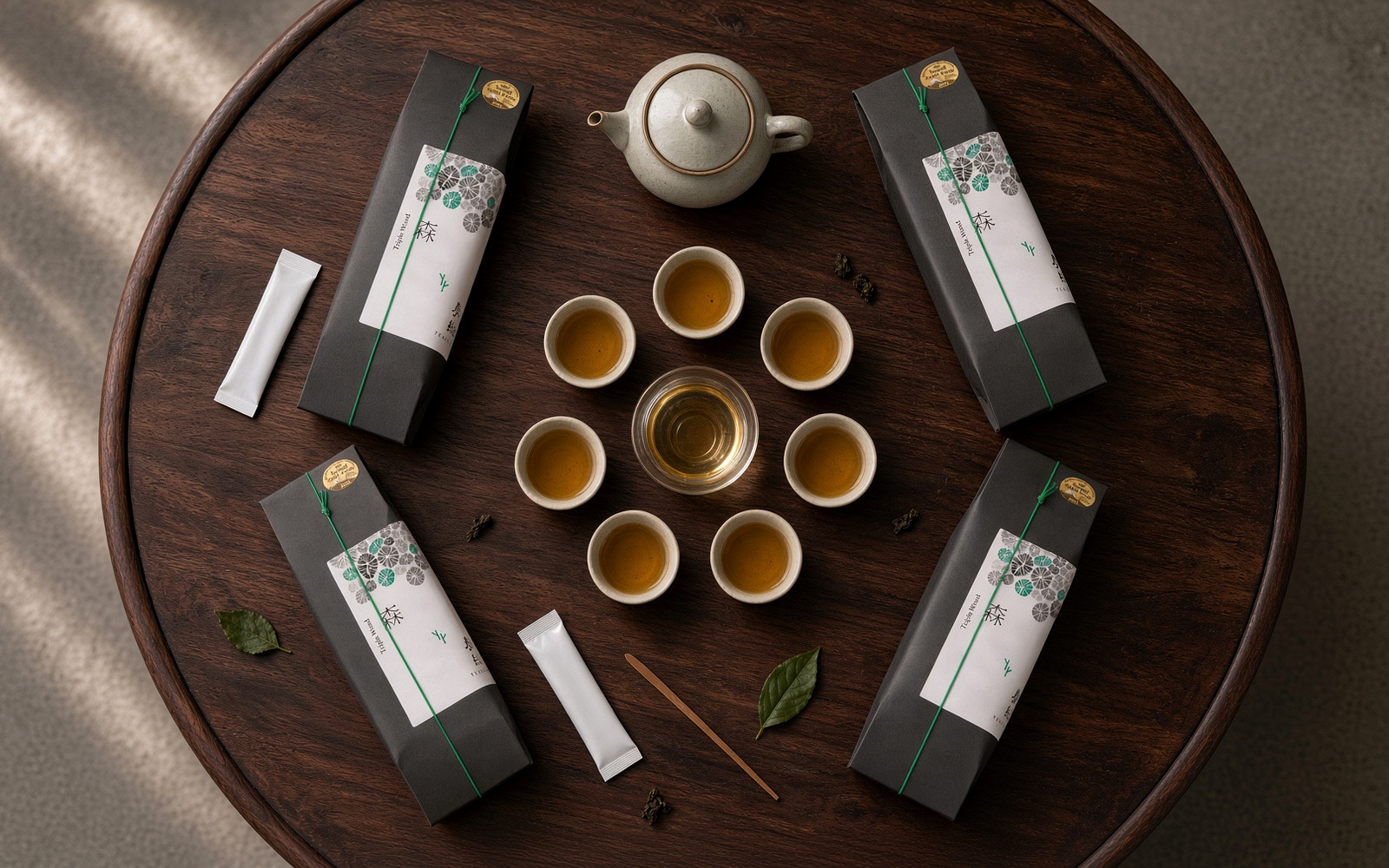
Customs and etiquette at the tea table
- The host pours. Serving others comes first; the host's own cup is filled last.
- Cups stay topped up. Small cups mean frequent refills, and an empty cup is a sign to pour again.
- A quiet thank-you. Guests often tap two fingers lightly on the table when their cup is filled.
- Smell before you sip. Enjoying the aroma, and even the scent left in an empty cup, is part of the pleasure.
- Take your time. A session can run for many infusions and plenty of conversation.
Tea as a gift
In Taiwan, a box of good tea is a natural gift when visiting family, celebrating or thanking someone. It is shared rather than kept, which makes it feel generous without being overly personal.
Craft handed down through families
Tea making and roasting are often family skills. TEAGRAPHY's family has passed its tea making and roasting down to the third generation, and won the Grand Prize at the Nantou County Oolong Tea Competition in its early years. Its teas are still hand-roasted over longan wood charcoal in Nantou, Taiwan. Read more in the TEAGRAPHY story.
How to bring the ritual home
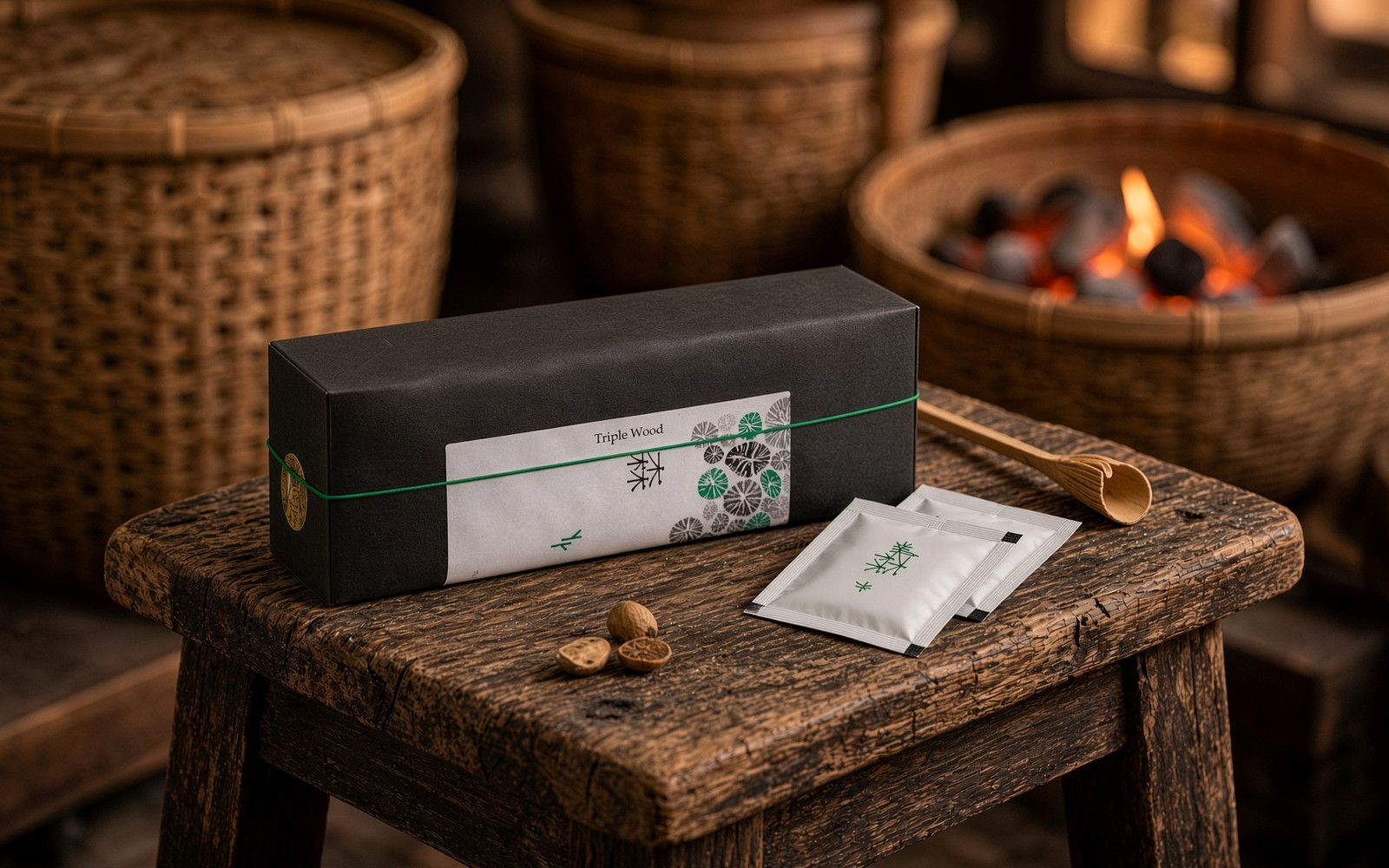
- Choose a whole-leaf oolong. A sealed sachet such as Cangui Guyun – Sen (Wood) removes the guesswork.
- Use freshly boiled water. TEAGRAPHY recommends 95-100°C for its charcoal-roasted oolongs.
- Warm your teaware. Rinse the pot and cups with hot water first.
- Brew and share. For the sachet, 7 g in 300 ml for 6-7 minutes; for gongfu-style brewing, use shorter steeps and pour into small cups for everyone.
- Notice the changes. Talk about how the aroma and sweetness evolve.
For step-by-step timing in a small pot, see our oolong brewing guide.
Western tea habits vs Taiwanese tea culture
| Typical Western habit | Taiwanese tea table | |
|---|---|---|
| Vessel | Large mug or pot | Small pot or gaiwan, small cups |
| Leaf | Tea bag, often broken leaf | Whole-leaf oolong |
| Steeps | One long steep | Many short infusions |
| Additions | Milk or sugar common | Drunk plain |
| Mood | Quick and personal | Slow and shared |
Where the culture fits into modern life
- Weekend gatherings: a tea table in place of coffee.
- Dinner parties: oolong after a rich meal.
- Quiet mornings: one pot, several steeps, no hurry.
- Visiting friends: bring a box of tea, Taiwanese style.
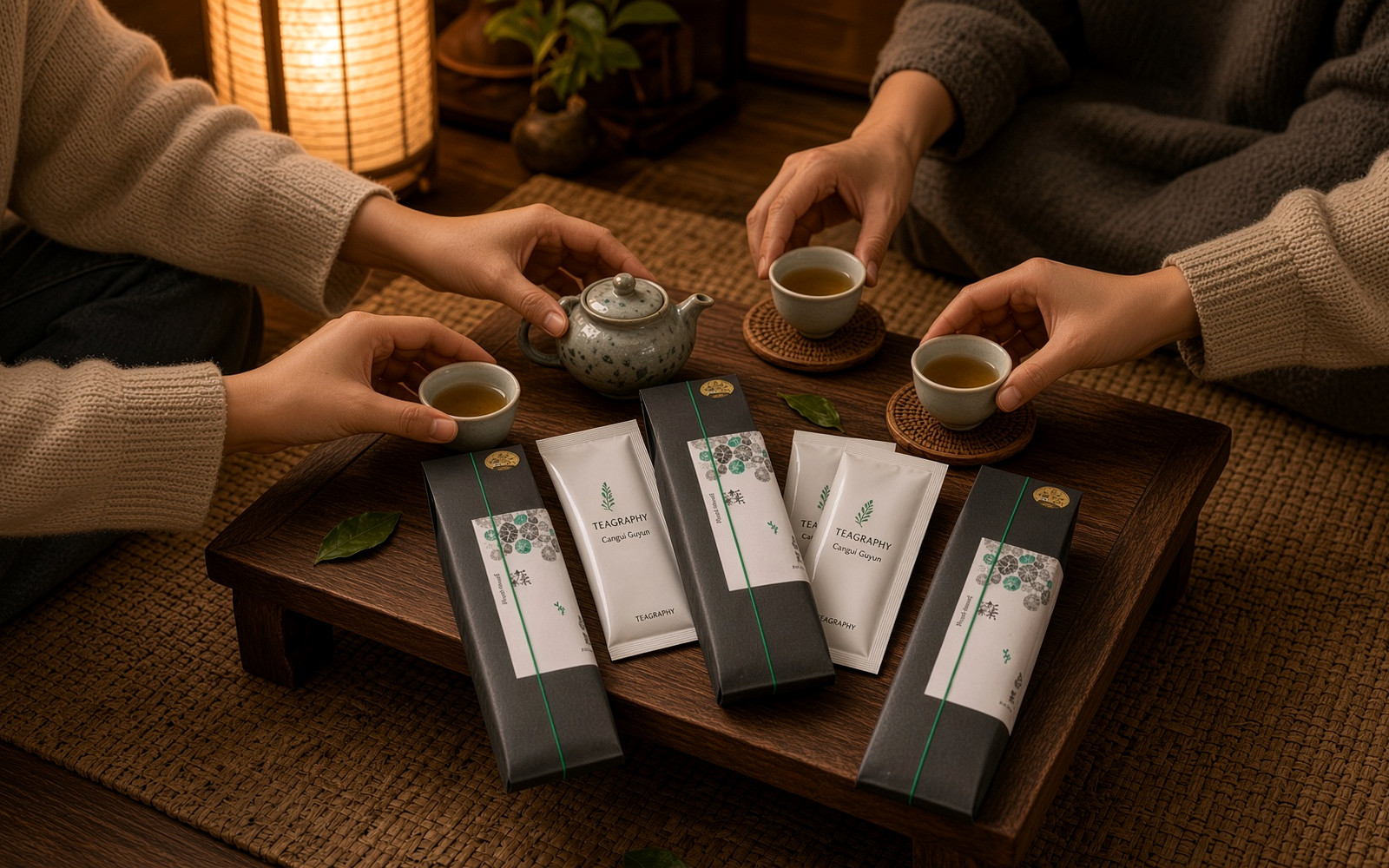
Start your own tea table
You do not need special skills to enjoy Taiwan tea culture, just good leaf and time to share it. Sen (Wood), a Songboling Changqing tea with a bright, lifted fragrance and a hint of gardenia, is a lovely first pour. Find it on the Cangui Guyun – Sen (Wood) page or browse the TEAGRAPHY shop.